Determining which AI detector is closest to Turnitin is no longer a theoretical question. In 2025, it is a daily operational decision for teachers, professors, instructional designers, and academic integrity committees.
Turnitin remains the most widely adopted academic integrity system in higher education. However, its AI-writing detection is intentionally conservative, opaque, and policy-driven. Many educators now supplement or replace parts of Turnitin’s workflow with external AI detectors to gain clarity, explanation, and instructional control.
The challenge is not “catching AI.” The challenge is accurately interpreting authorship without penalizing legitimate academic writing.
This guide explains:
- How Turnitin actually evaluates AI writing
- What “closest to Turnitin” really means (technically)
- Where Turnitin stops short
- Which modern AI detectors align with Turnitin’s logic—and which do not
- How educators should choose tools based on class size, discipline, and grading goals
This is a practical decision framework, not a marketing list.
How Turnitin Detects AI Writing (What Most Tools Get Wrong)
Before comparing tools, educators must understand what Turnitin actually measures.
Turnitin does not detect AI by:
- Keyword lists
- “AI-sounding” vocabulary
- Sentence complexity alone
Instead, Turnitin evaluates probabilistic writing behavior across the entire document.
Core Signals Turnitin Uses
Turnitin’s AI detection focuses on:
- Predictability at the sentence level: AI models produce statistically likely sentence sequences. Human writers introduce irregularity.
- Uniformity of rhythm across paragraphs: AI maintains consistent pacing. Humans vary sentence length, emphasis, and transition depth.
- Repetitive structural logic: AI repeats reasoning patterns even when words change.
- Low entropy transitions: AI transitions feel smooth but mechanically balanced.
- Global coherence anomalies: AI often lacks authentic cognitive drift or emphasis shifts.
Any tool claiming to be close to Turnitin must analyze structure and entropy, not just text probability.
Why Most AI Detectors Are NOT Close to Turnitin
Many popular detectors fail educators because they:
- Are trained on conversational datasets
- Penalize formal academic tone
- Ignore document-level behavior
- Provide single percentage scores without explanation
This leads to false positives in essays, research papers, lab reports, and policy writing—the exact materials Turnitin is designed to evaluate fairly.
What “Closest to Turnitin” Actually Means for Educators
When evaluating which AI detector is closest to Turnitin, educators should look for five alignment factors:
1. Academic Dataset Training
The tool must understand:
- Essays
- Research summaries
- Argumentative writing
- Analytical structure
2. Structural Probability Analysis
The detector should evaluate:
- Sentence rhythm
- Transition symmetry
- Repetitive reasoning
3. Sentence-Level Transparency
Turnitin flags patterns—not verdicts. A close alternative must explain why content appears risky.
4. Document-Level Context
Chunk-based detection breaks logic. Turnitin analyzes entire documents.
5. Policy-Safe Interpretation
Results must support review and discussion, not automatic accusation.
The 5 AI Detectors Closest to Turnitin
- AISEO — Best Turnitin-Style All-in-One Academic Cleanup Tool
- Humanize AI — Closest to Turnitin for Structural Fairness & Revision
- Originality.ai — Best Turnitin-Like Tool for Bulk Grading
- GPTZero — Best for Turnitin-Style Explainability
- Copyleaks — Best Enterprise-Grade Turnitin Replacement
1. AISEO — Best Turnitin-Style All-in-One Academic Cleanup Tool
AISEO closely matches Turnitin’s document-level analysis while extending functionality beyond detection. It is designed for educators who review long assignments, research papers, and technical writing where originality, clarity, and structure matter equally. AISEO combines AI detection, plagiarism scanning, and academic tone refinement into a single workflow.
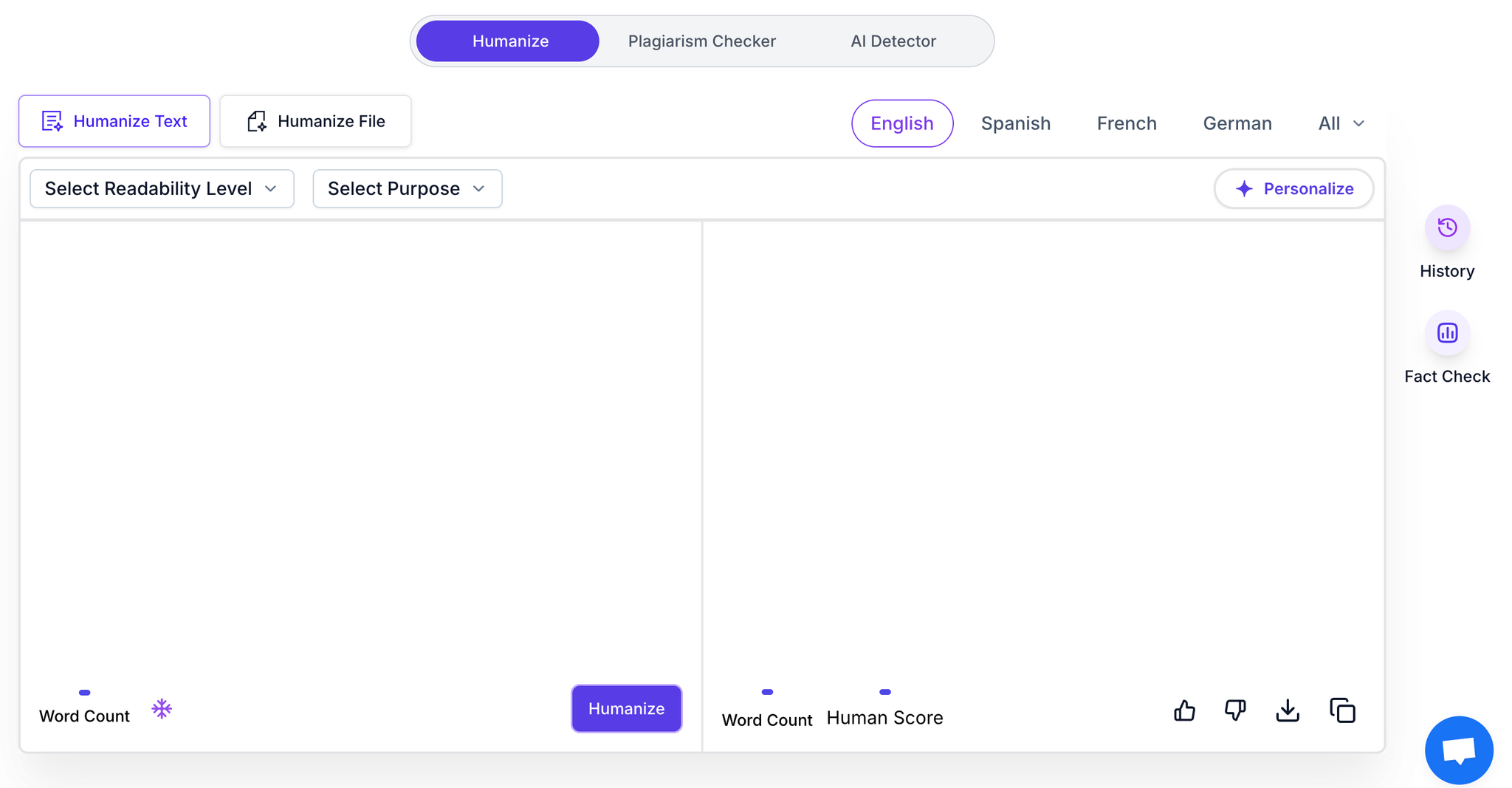
AISEO
Key Features
Document-Level AI Detection With Structural Awareness
AISEO evaluates entire documents for repetitive reasoning, predictable paragraph construction, and uniform argument flow. This aligns with Turnitin’s holistic analysis rather than sentence-by-sentence judgment. By assessing structure across sections, AISEO reduces false positives in essays that follow legitimate academic frameworks.
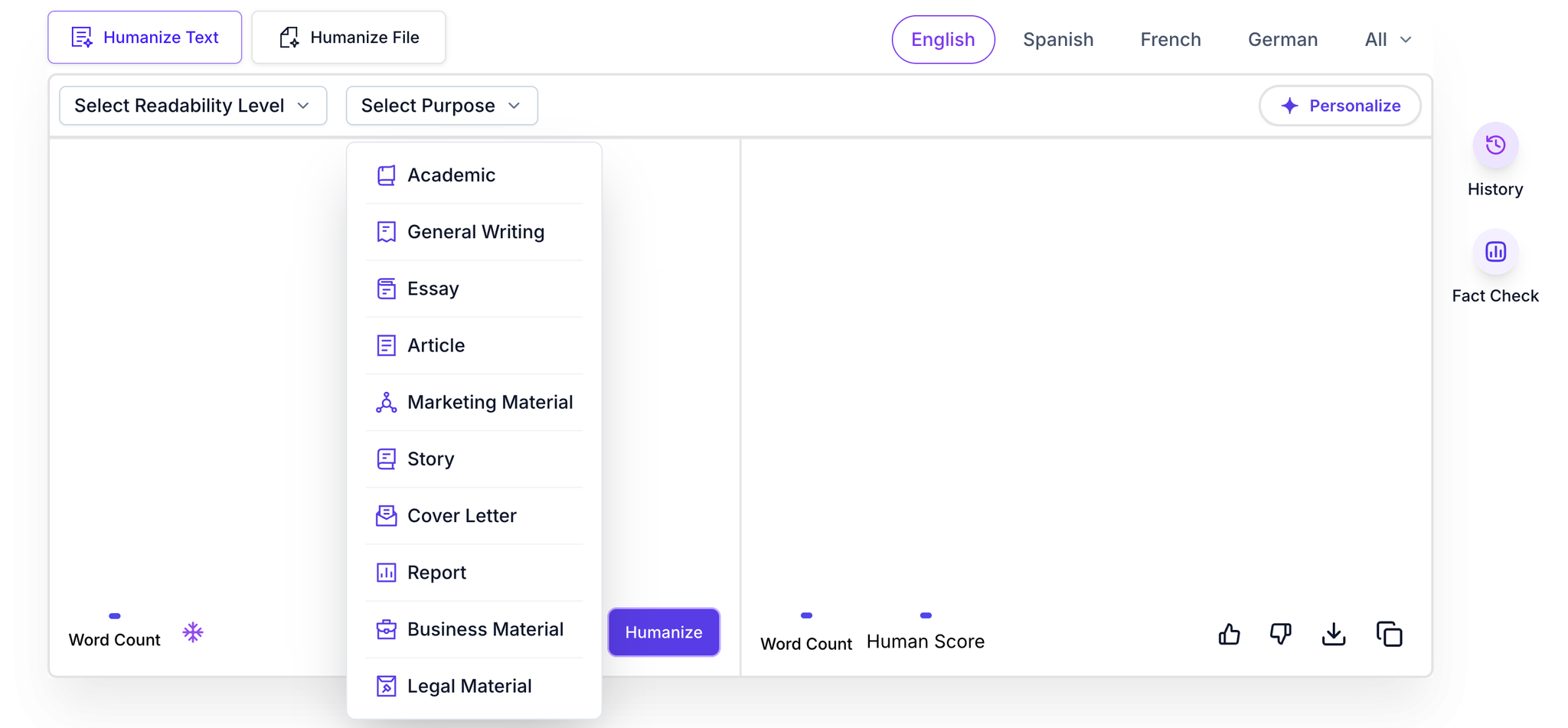
Document-Level AI Detection
Integrated Plagiarism and AI Analysis
AISEO combines plagiarism detection and AI analysis in one report, similar to Turnitin’s originality workflow. Educators can see whether content is copied, structurally duplicated, or algorithmically generated. This unified view saves time and prevents misinterpretation when AI-generated text is original but still problematic.
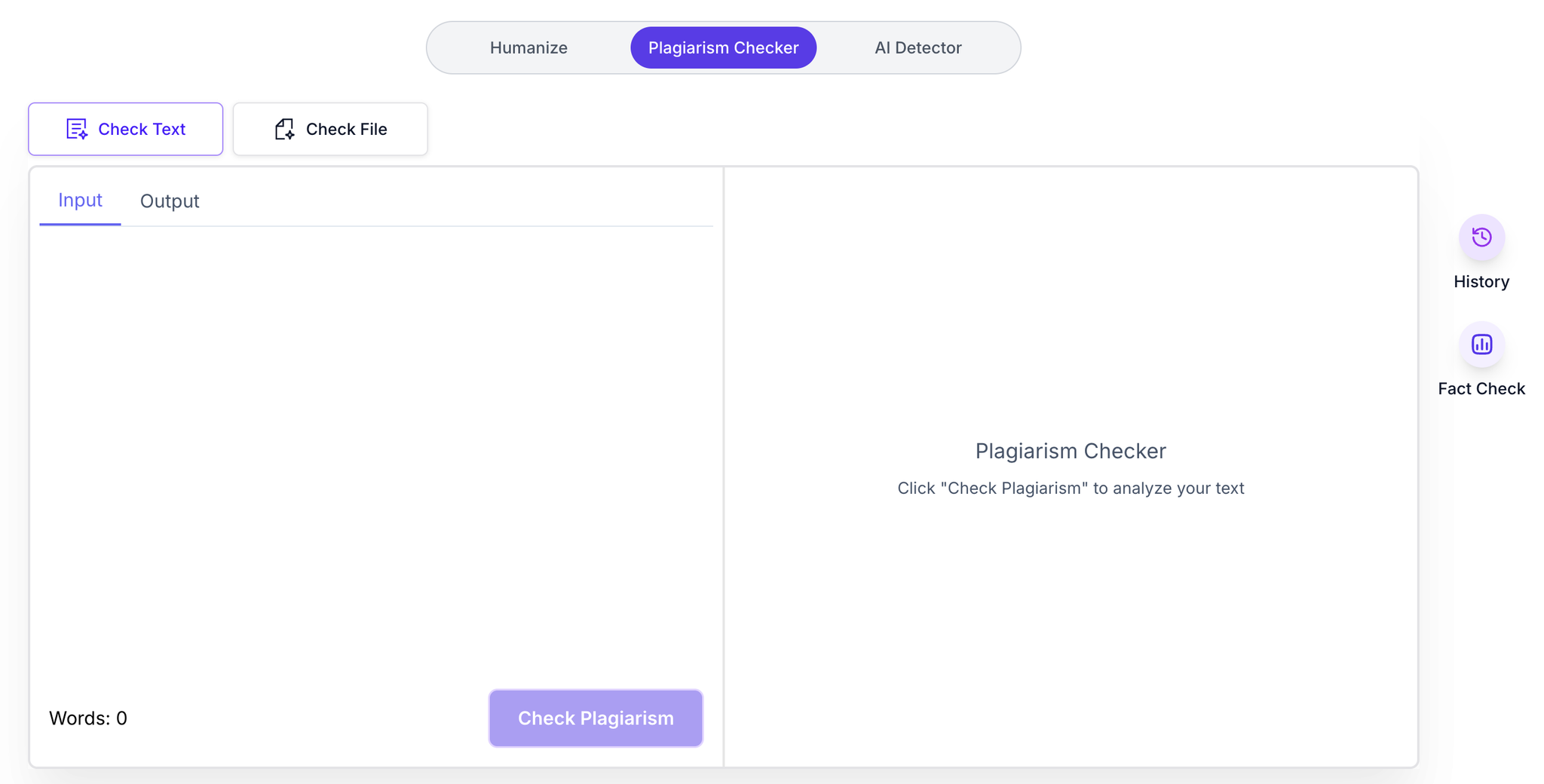
Integrated Plagiarism Checker
Academic Tone Preservation During Rewrites
When rewriting is needed, AISEO avoids simplifying or casualizing academic language. Instead, it reduces repetition, improves flow, and corrects AI-like uniformity while maintaining scholarly tone. This makes it suitable for literature reviews, policy analysis, and research-based coursework.
Academic Tone Preservation During Rewrites
Pricing
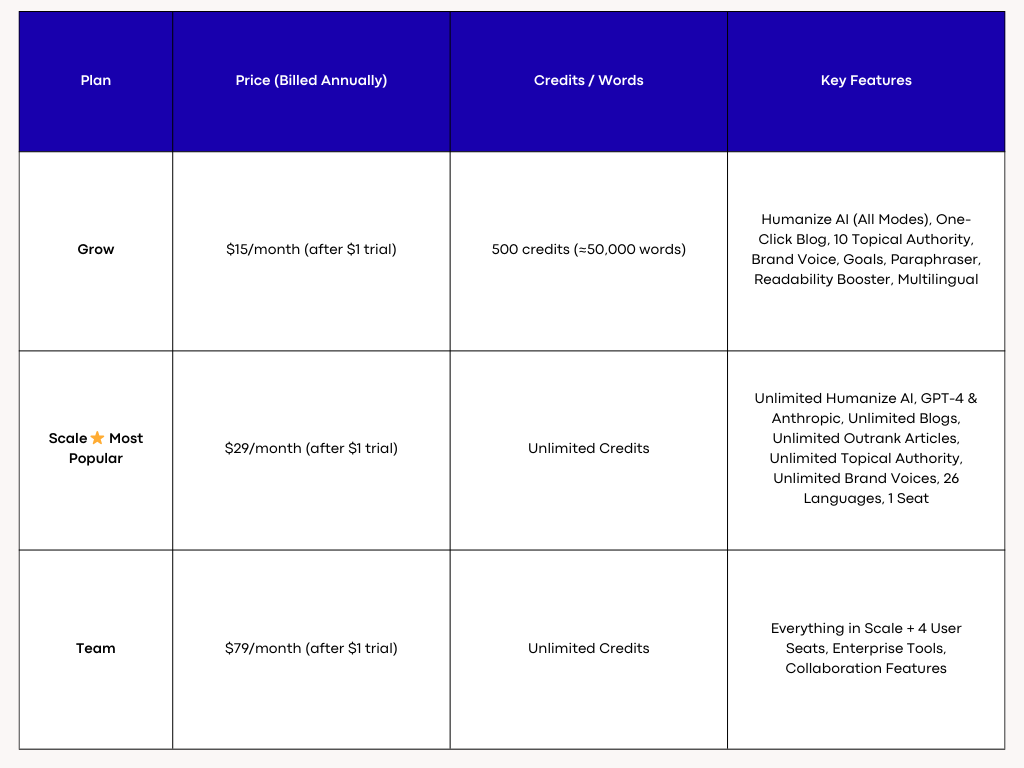
AISEO Pricing Table
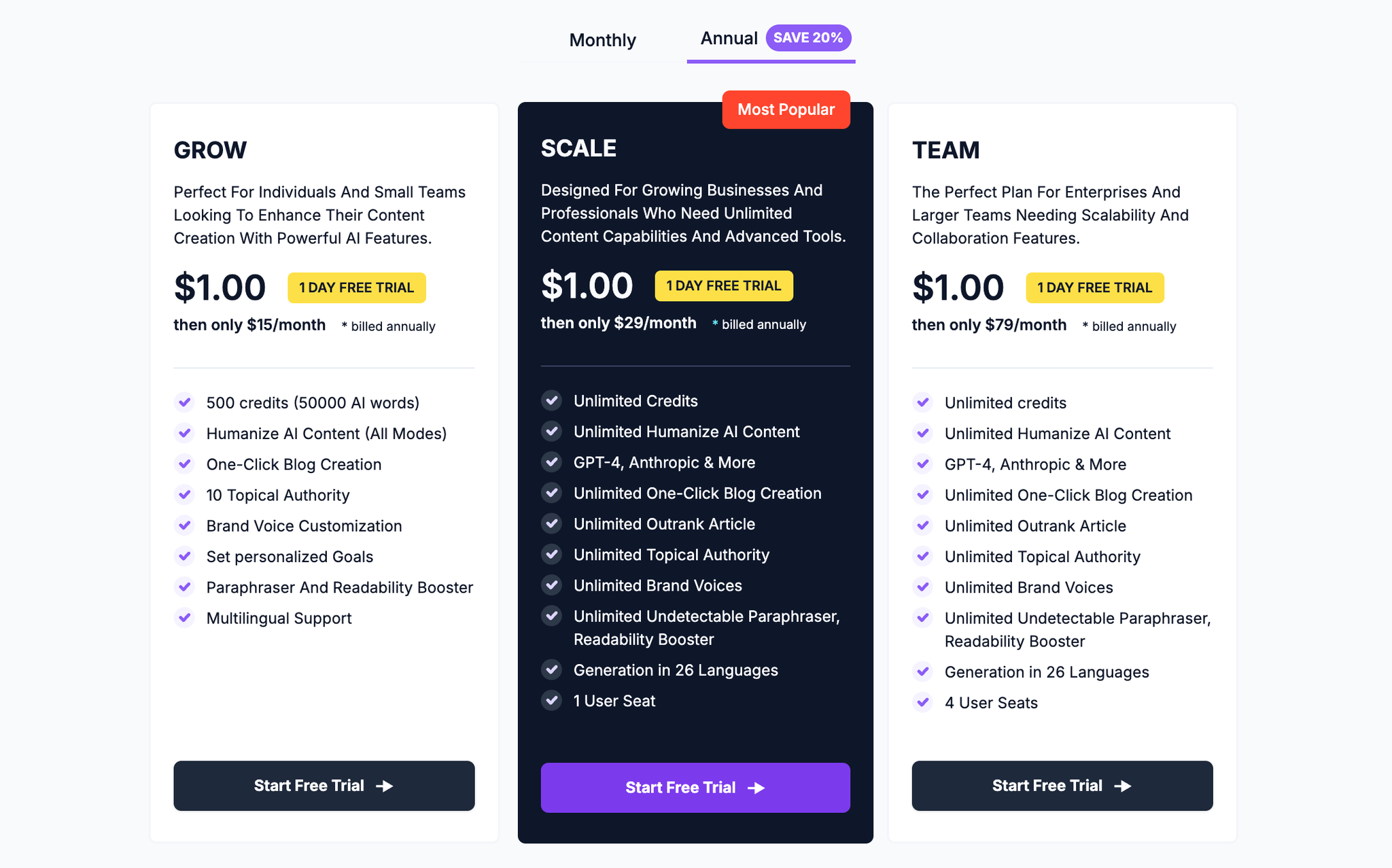
AISEO Pricing
2. Humanize AI — Closest to Turnitin for Structural Fairness & Revision
Humanize AI is one of the closest matches to Turnitin’s AI-detection philosophy because it evaluates how ideas are written rather than what words are used. Instead of penalizing advanced vocabulary or formal academic tone, it focuses on sentence predictability, pacing consistency, and structural repetition. This makes it especially useful for educators who want fair evaluation and revision support instead of punishment-only detection.
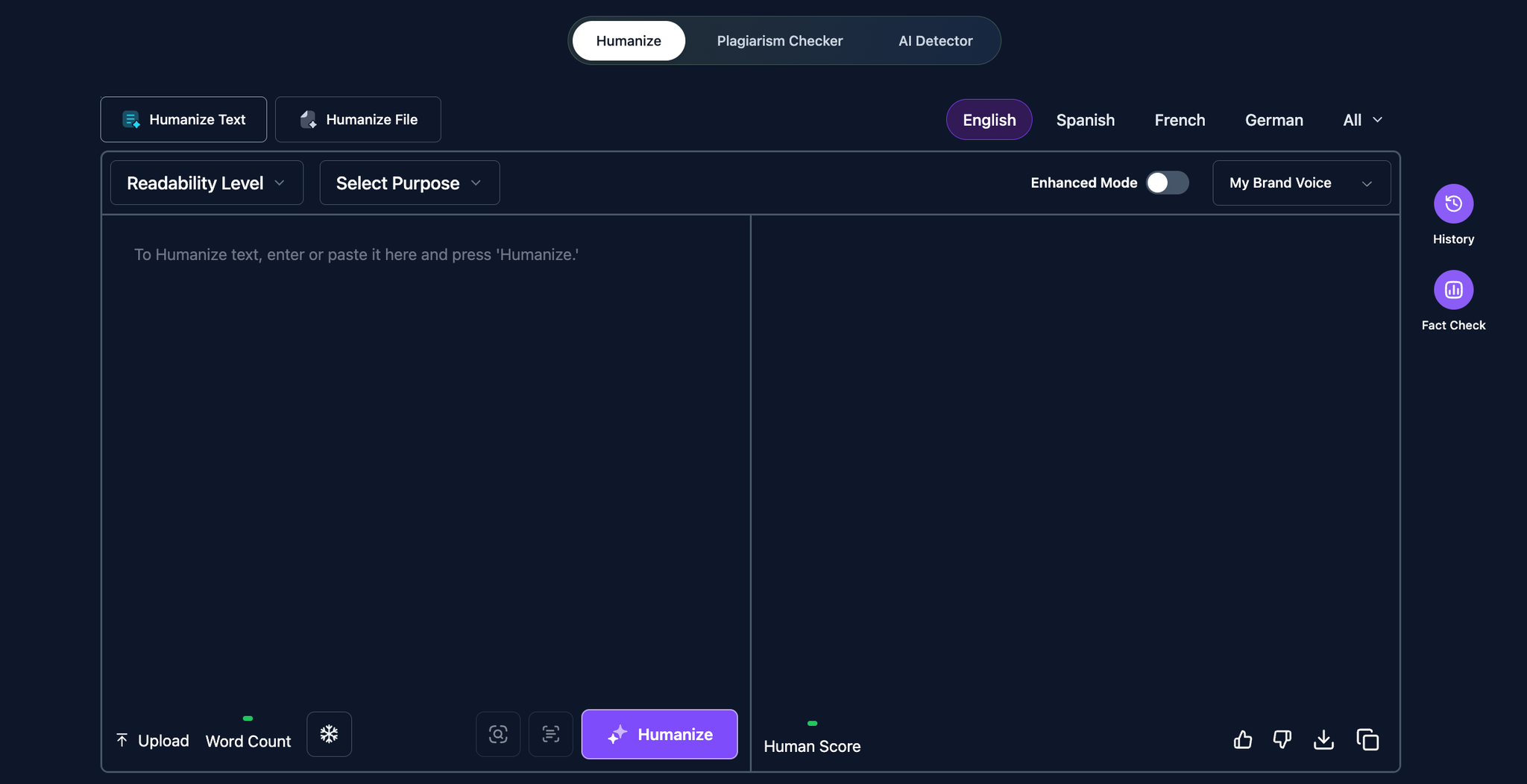
Humanize AI Text
Key Features
Sentence-Level Structural AI Detection (Turnitin-Style Logic)
Humanize AI analyzes sentence entropy, transition regularity, and paragraph rhythm in a way that closely mirrors Turnitin’s probabilistic approach. Rather than scanning for AI “fingerprints,” it evaluates how predictable sentence patterns are across the document. This allows it to flag machine-like consistency while avoiding false positives caused by formal academic writing or technical subject matter.
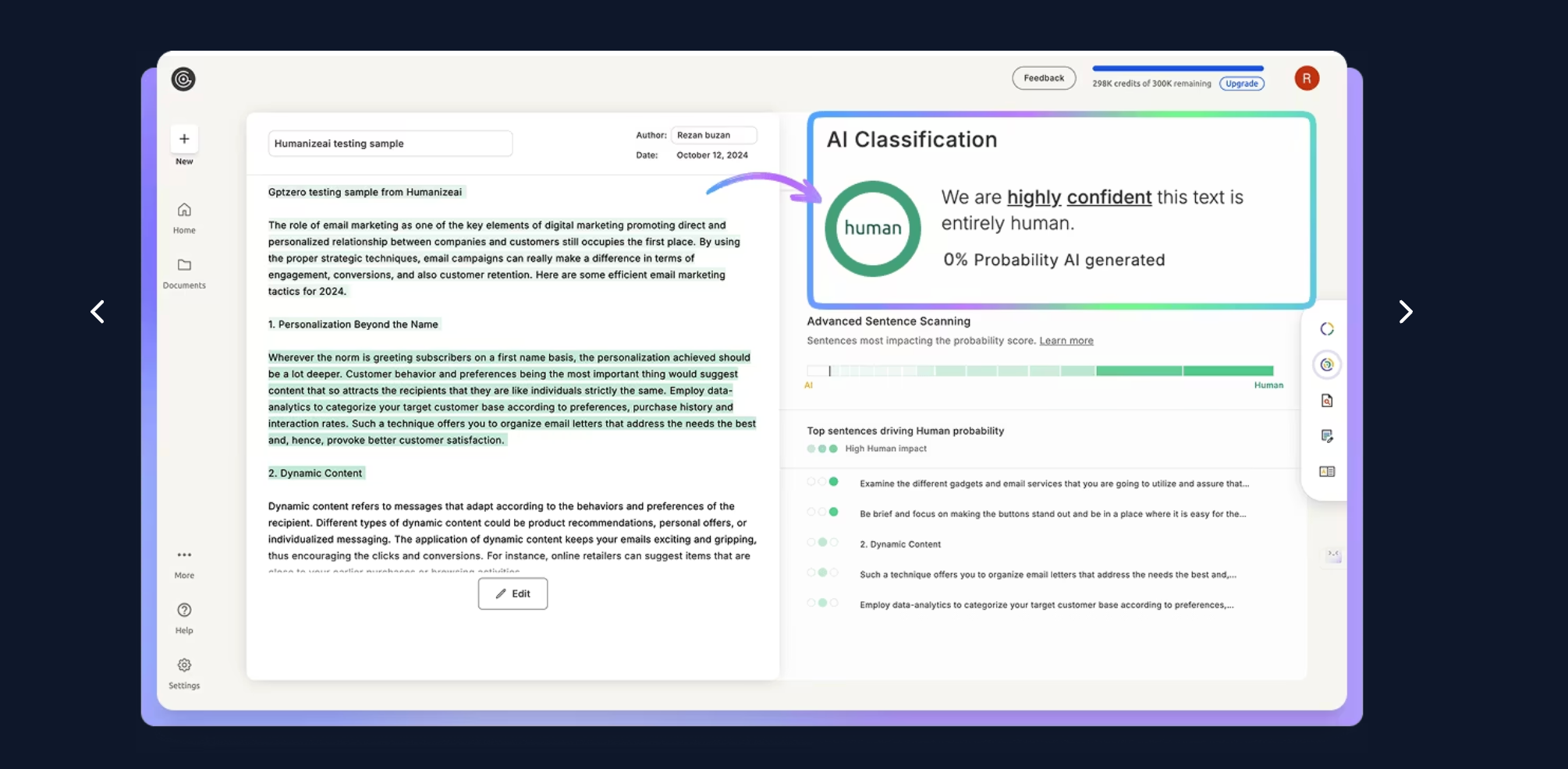
Sentence-Level Structural AI Detection
Transparent Risk Explanation for Educators and Students
Instead of returning a vague AI percentage, Humanize AI highlights exact sentences that contribute to AI-risk scoring and explains why those sections appear algorithmic. Educators can clearly see whether risk comes from repetitive structure, overly balanced transitions, or uniform sentence length. This transparency supports academic review, appeals, and instructional discussion.
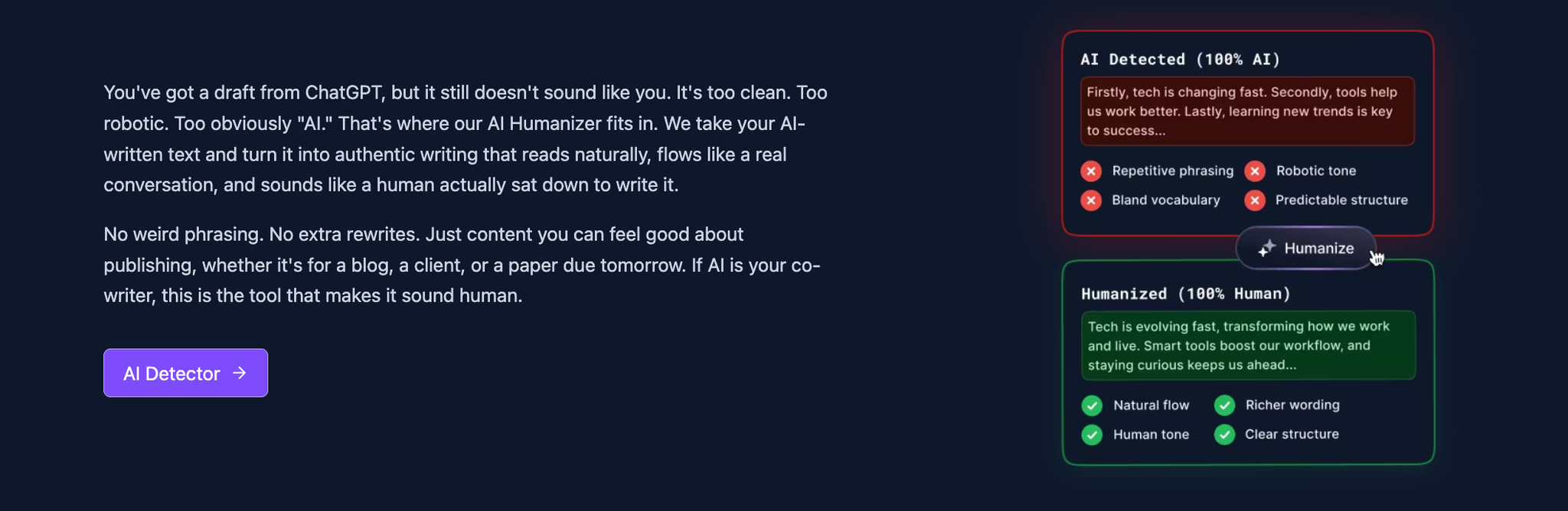
Clear Human Score Transparency
Full Document Upload With Context Preservation
Unlike chunk-based detectors, Humanize AI evaluates full essays, reports, and theses in one pass. This preserves structural context across paragraphs and sections, improving detection accuracy and aligning more closely with how Turnitin evaluates entire submissions rather than isolated excerpts.
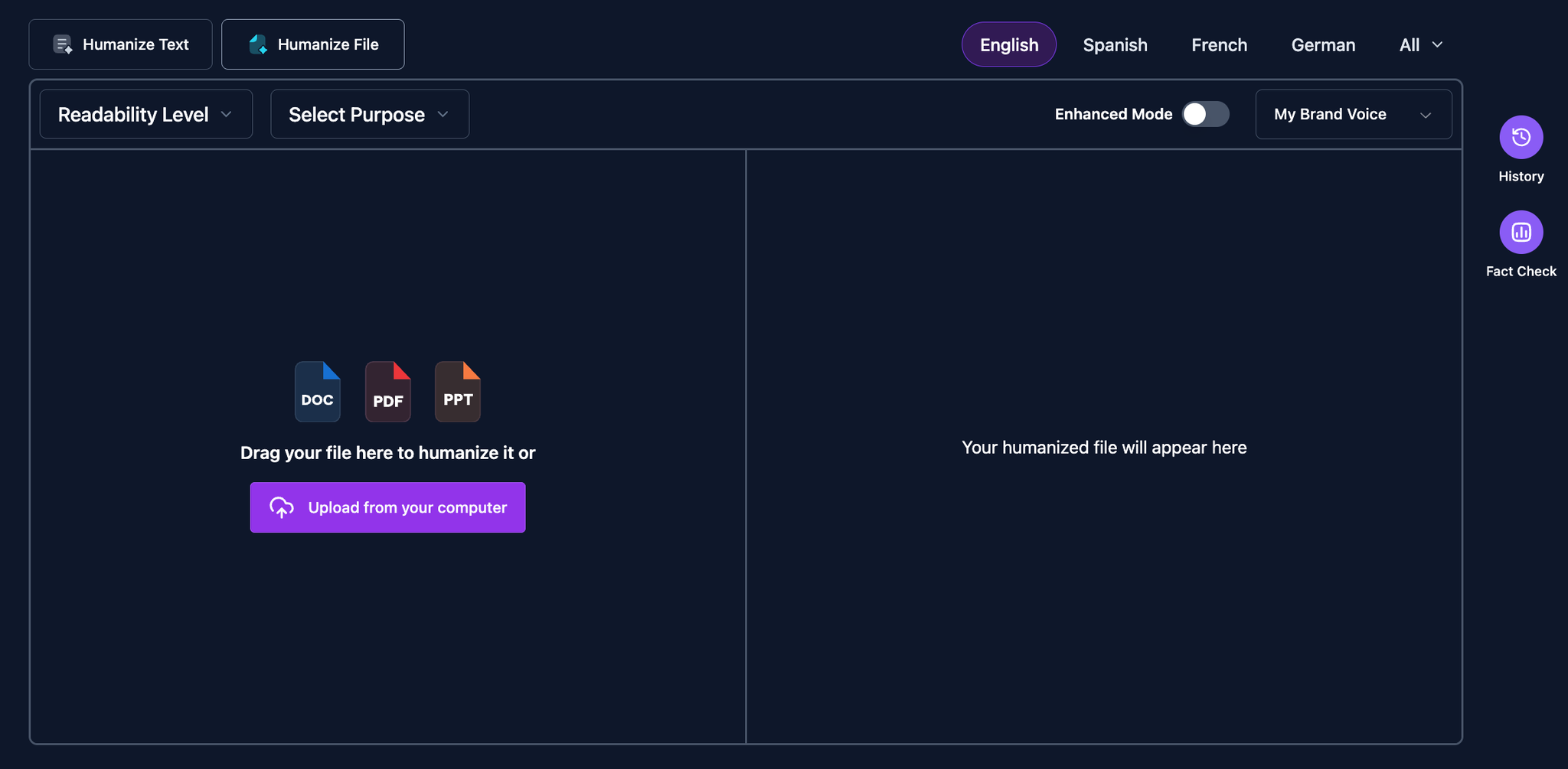
Full-Document Upload and Editing
Pricing
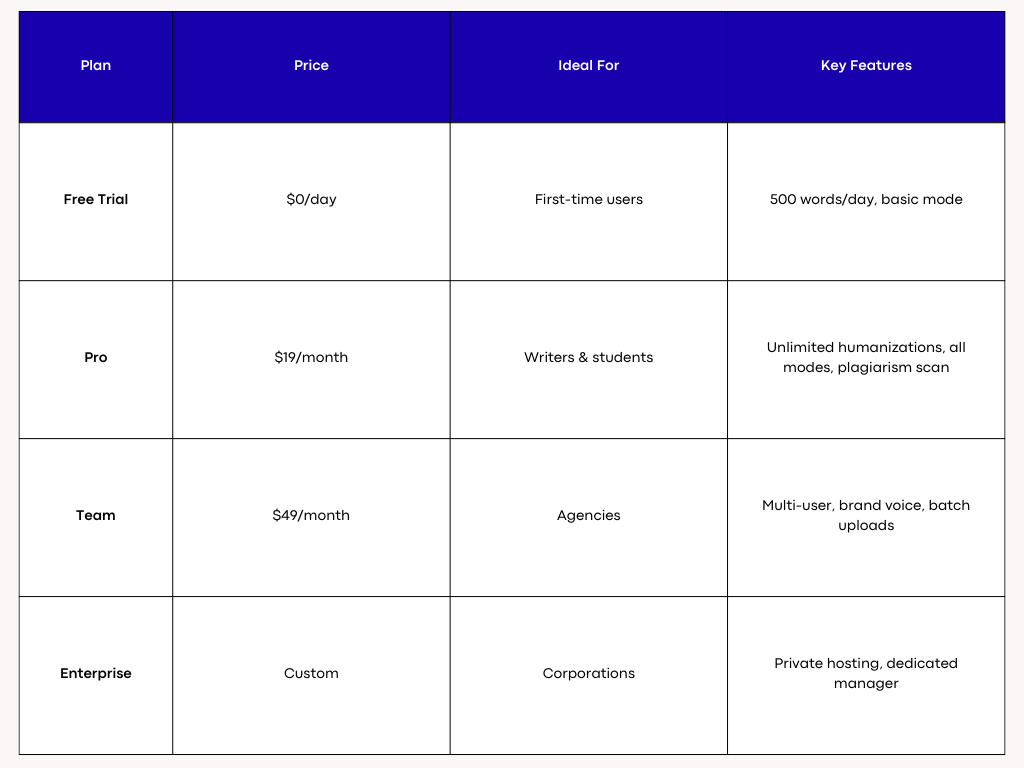
Humanize AI Text Pricing
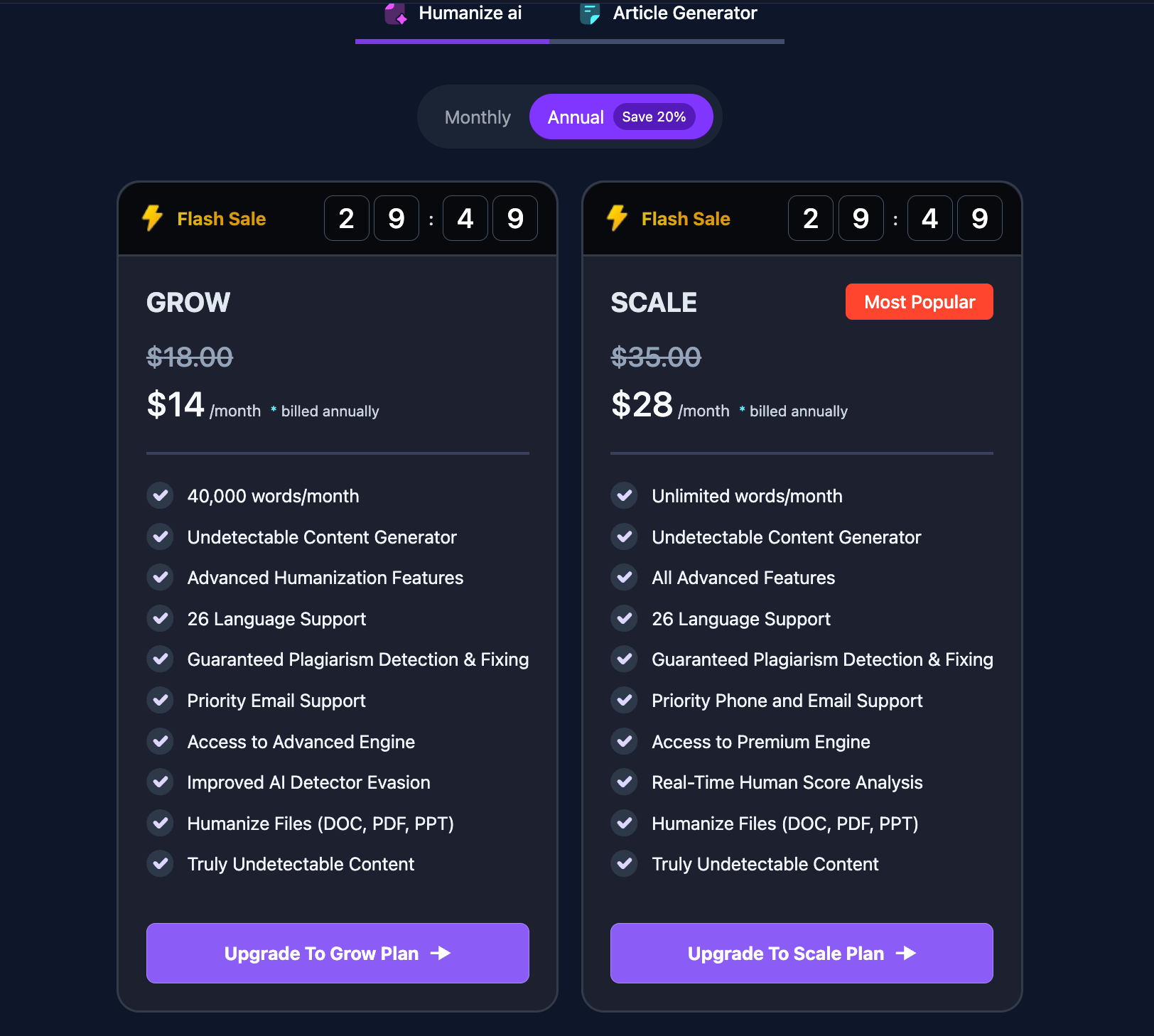
Humanize AI Text Pricing
3. Originality.ai — Best Turnitin-Like Tool for Bulk Grading
Originality.ai aligns most closely with Turnitin’s institutional and administrative use cases. It is designed for scale, consistency, and enforcement rather than student remediation. Programs with large class sizes or online coursework often use it to standardize AI and plagiarism review across many submissions.
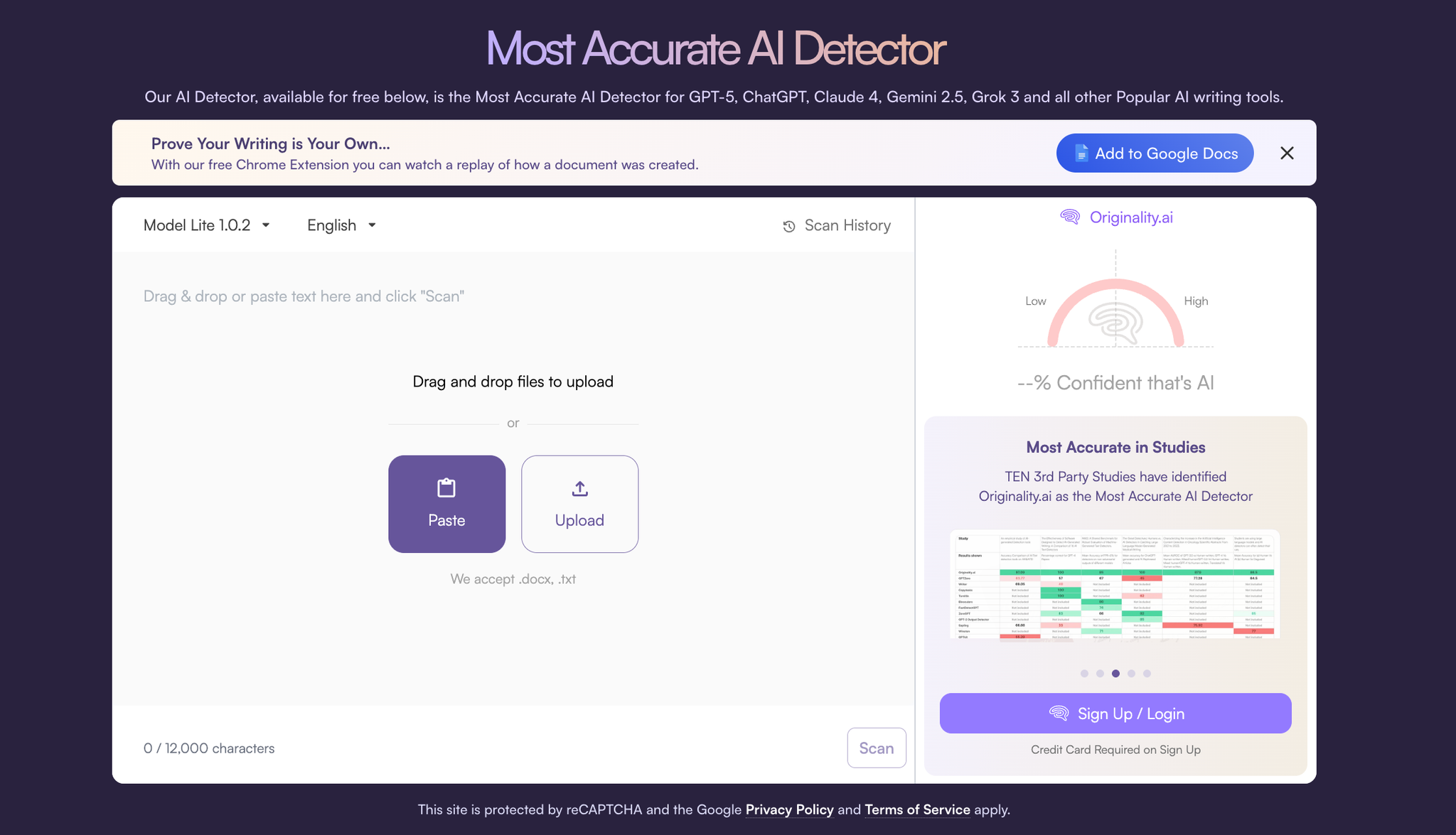
originality.ai
Key Features
Batch Scanning for High-Volume Coursework
Originality.ai allows instructors to upload dozens or hundreds of assignments at once. Each submission receives an individual AI and plagiarism report, making it ideal for large undergraduate courses, MOOCs, and online degree programs where manual review is impractical.
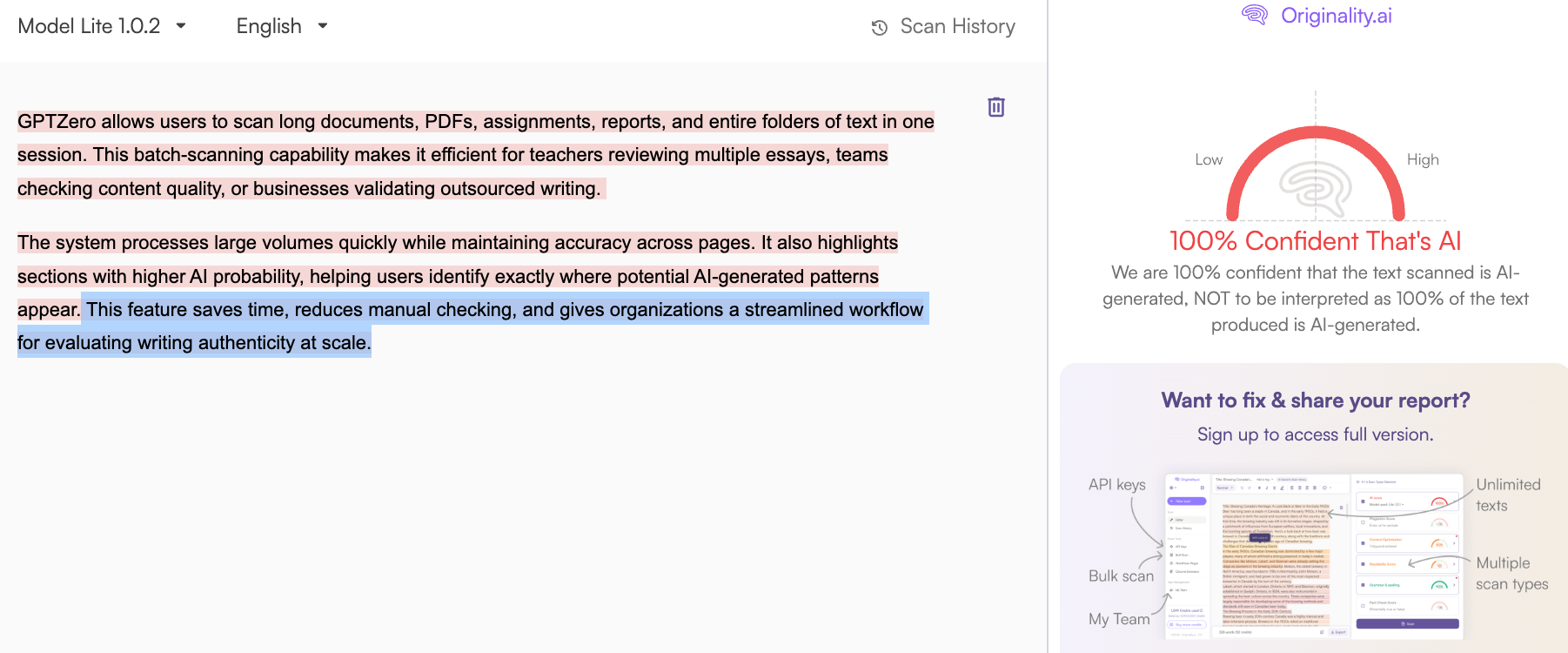
Batch Scanning
Unified AI Detection and Plagiarism Reporting
Like Turnitin, Originality.ai combines AI probability analysis with plagiarism checks in a single interface. This helps educators distinguish between copied content, AI-generated originality, and acceptable student writing without switching tools.
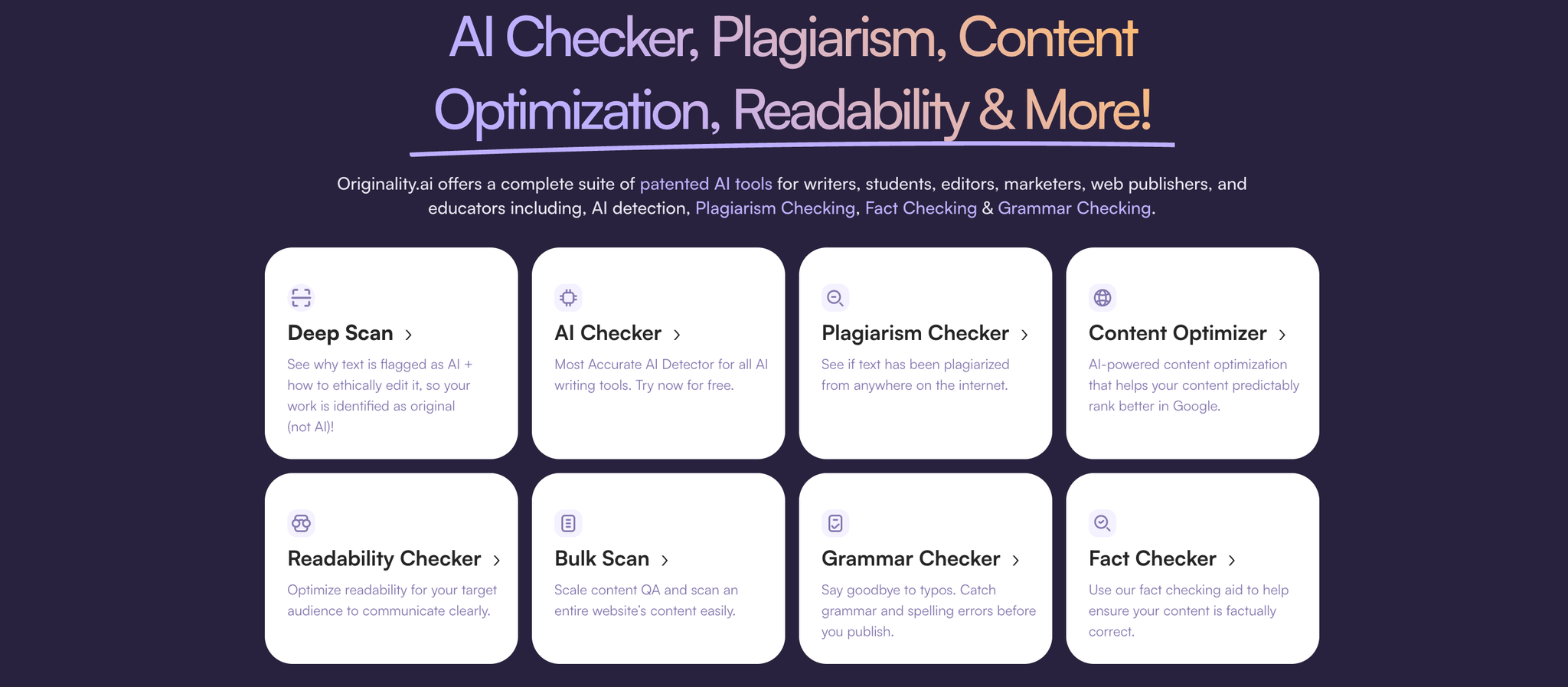
Unified AI Detection and Plagiarism Reporting
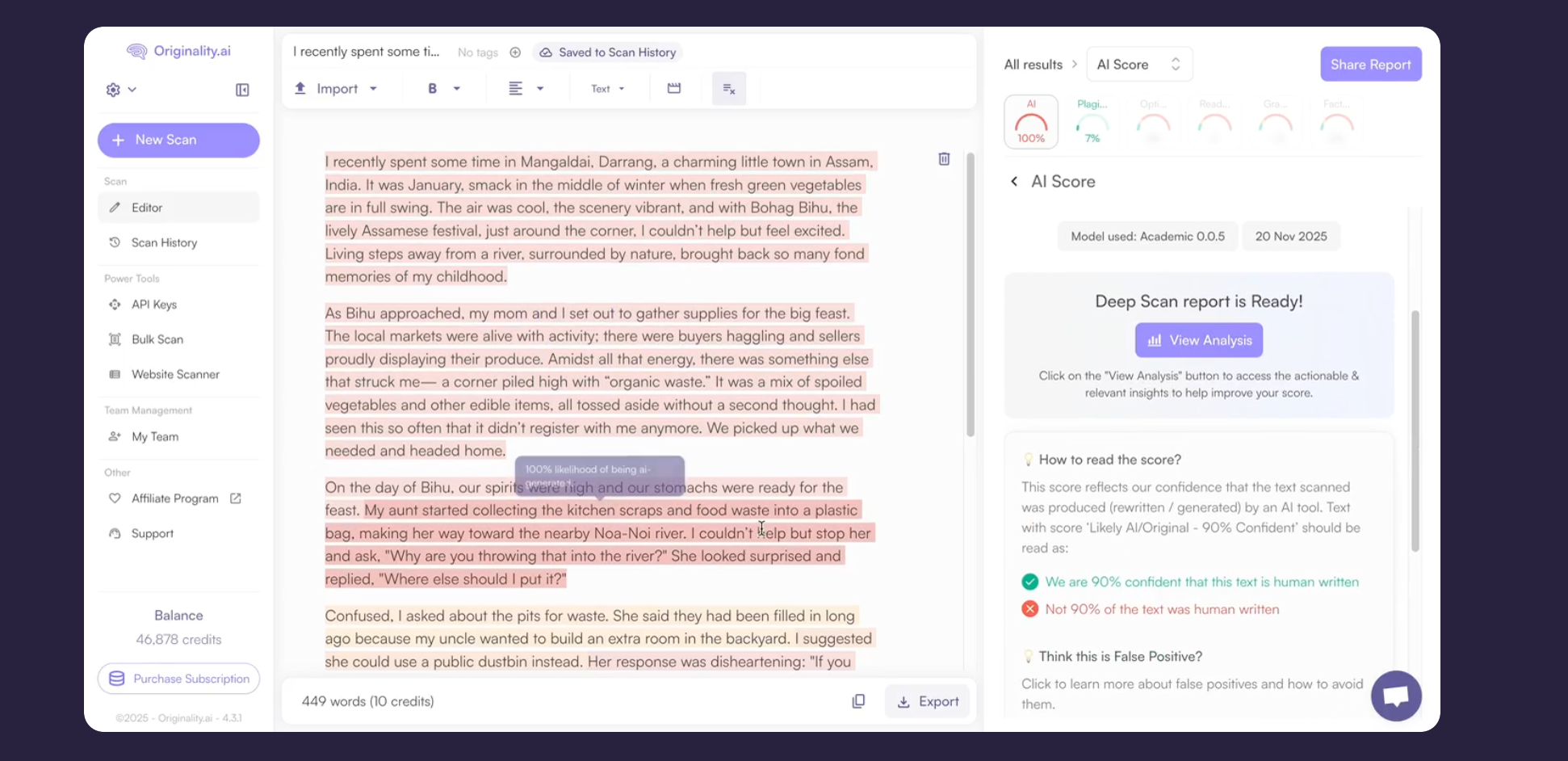
Consistency Across Semesters and Courses
Originality.ai maintains consistent scoring behavior across time, which is important for institutional fairness. Educators and administrators can apply the same review standards across multiple classes and academic terms.
Consistency Across Semesters
Pricing
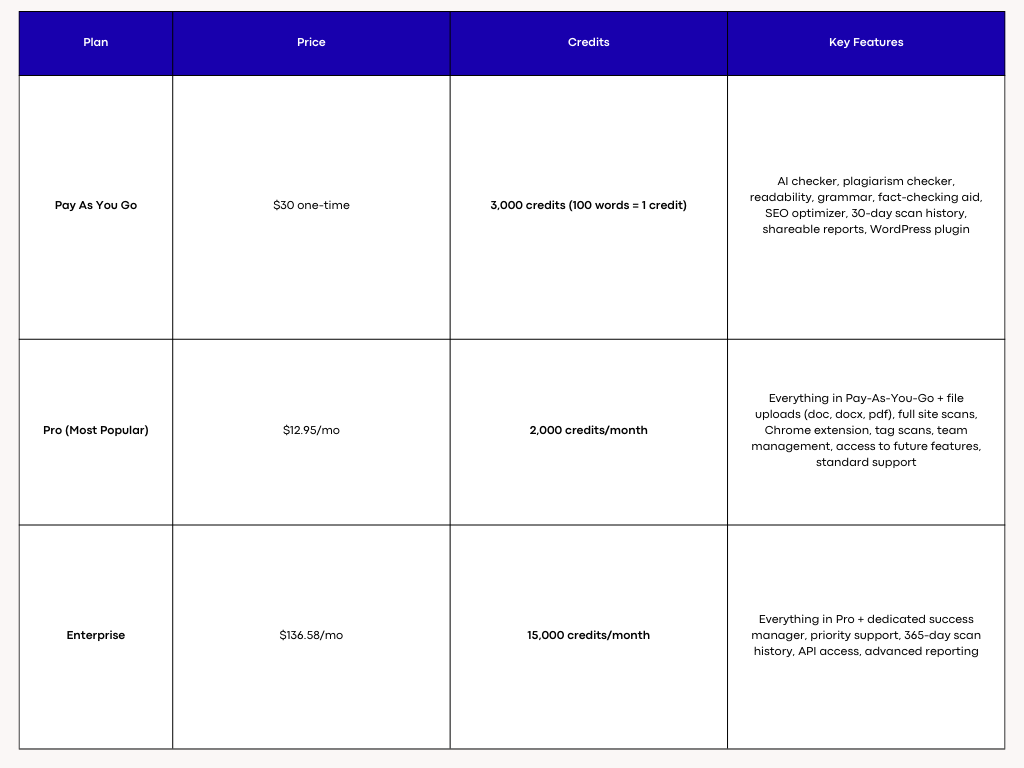
originality.ai — Pricing
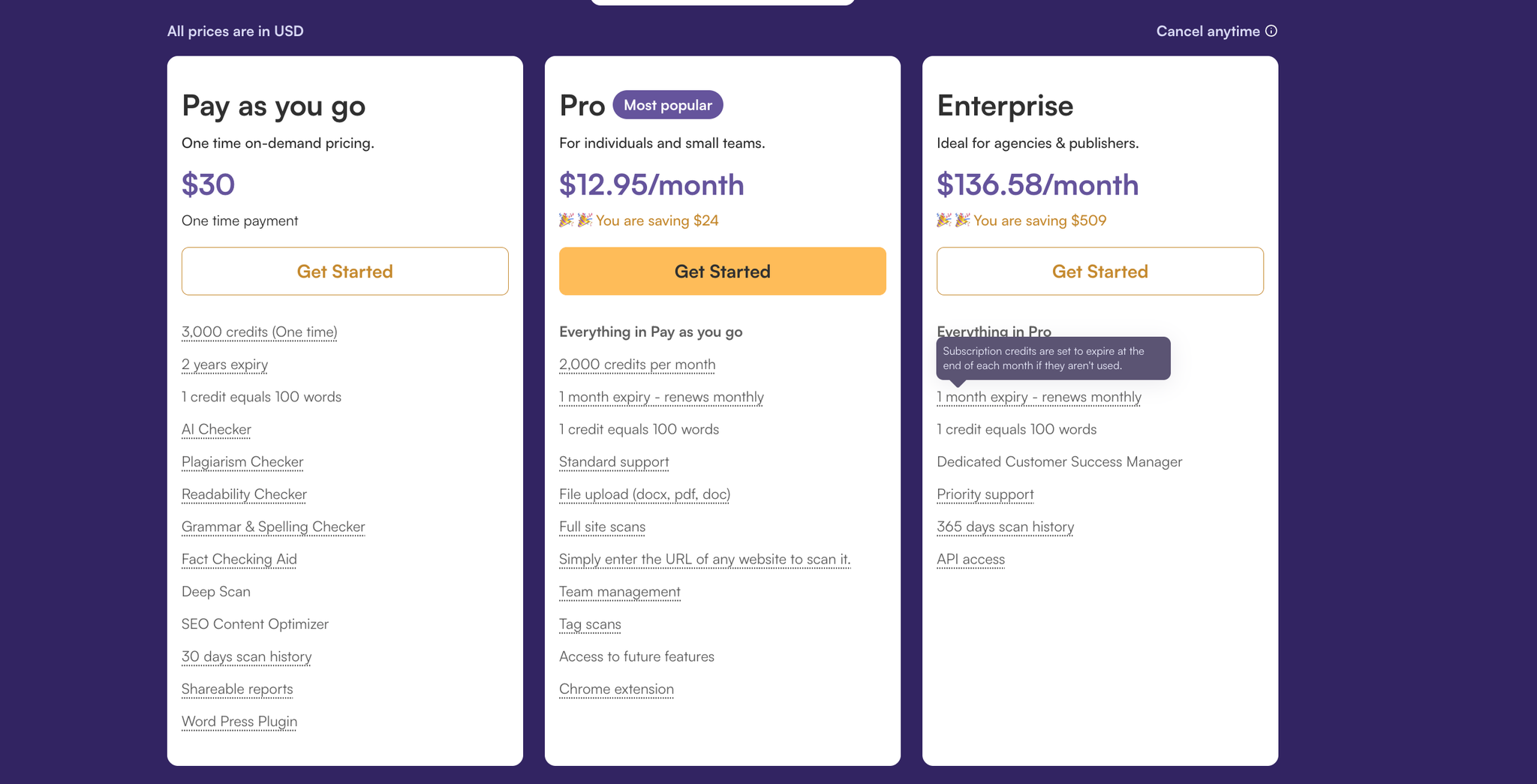
originality.ai — Pricing
4. GPTZero — Best for Turnitin-Style Explainability
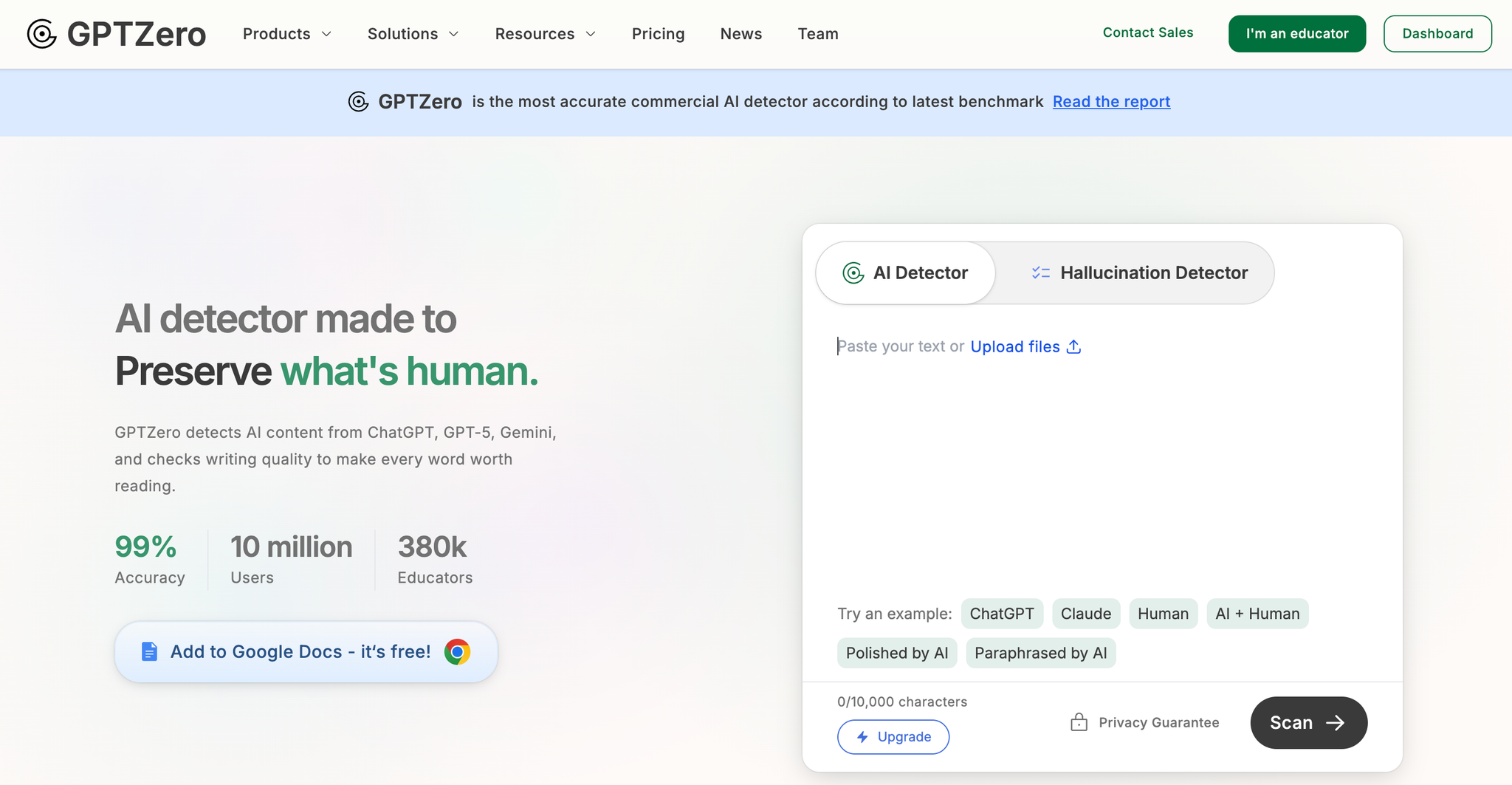
GPTZero is widely used because it focuses on interpretability rather than enforcement. While it does not fully replicate Turnitin’s structural depth, it aligns well with Turnitin’s review philosophy by highlighting specific sentences and explaining AI likelihood in accessible terms.
GPTZero
Key Features
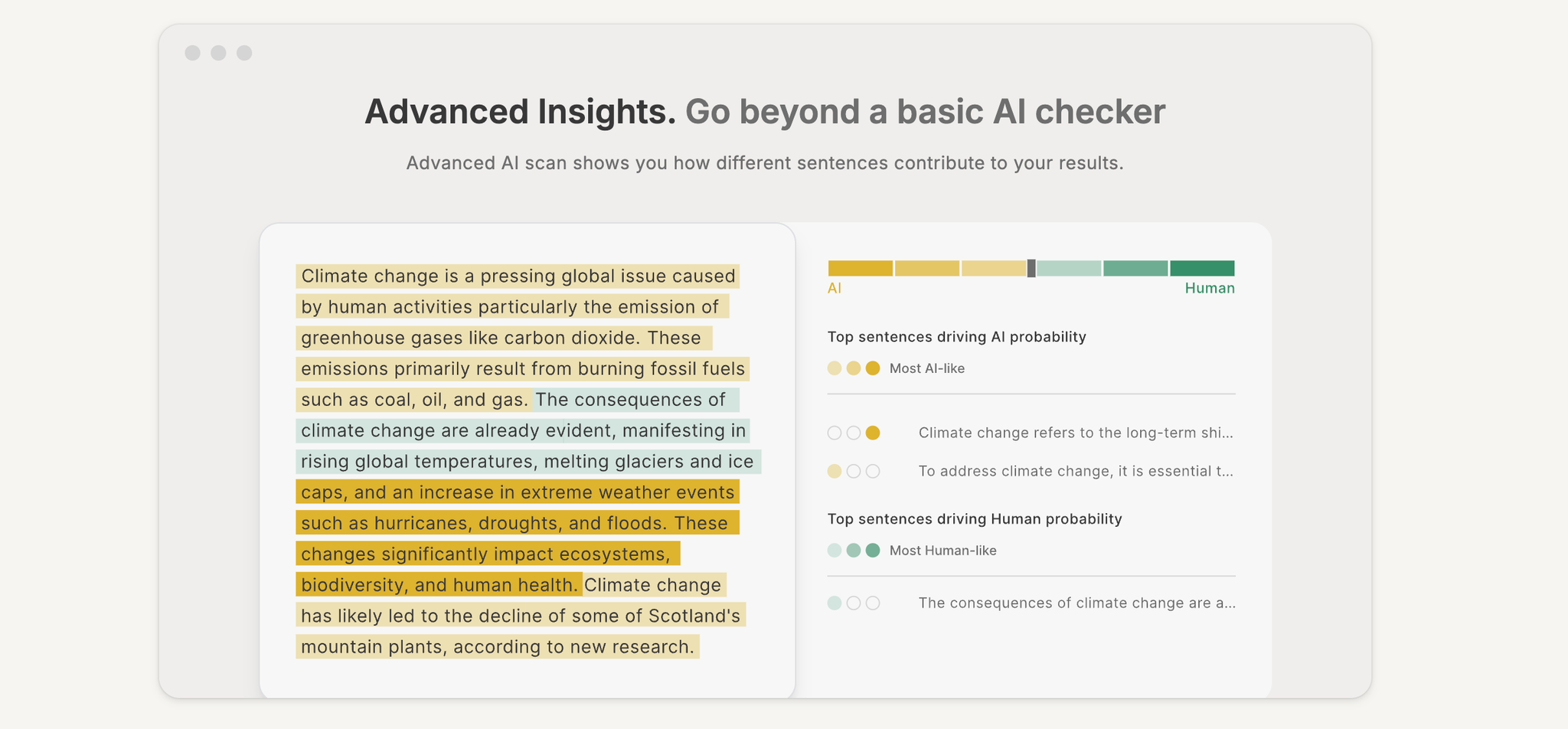
Sentence-Level AI Highlighting for Review Conversations
GPTZero highlights individual sentences that appear AI-generated, allowing educators to pinpoint concerns rather than labeling entire documents. This supports fair review, student meetings, and revision opportunities.
Sentence-Level Detection
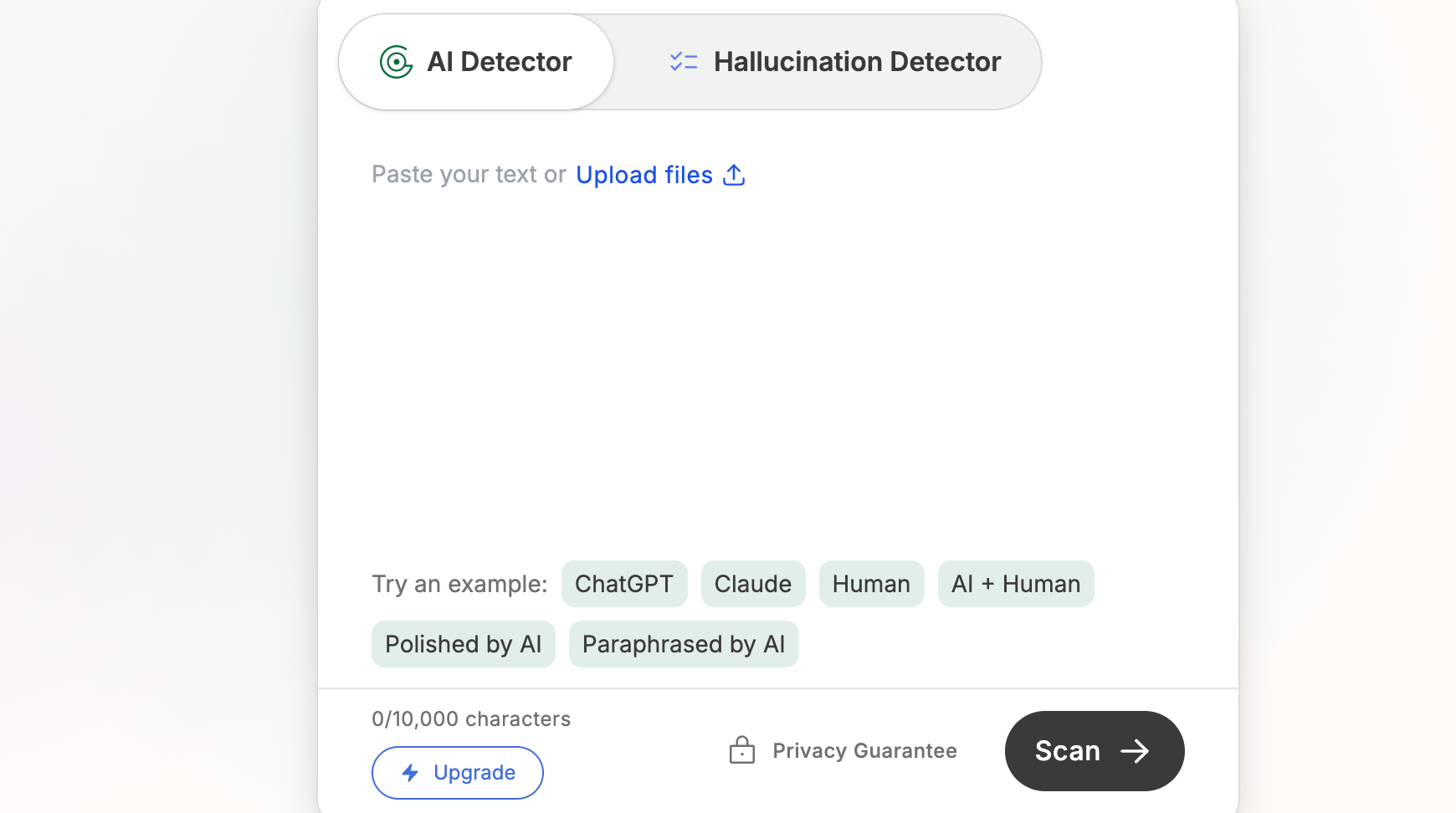
Probability-Based Scoring With Context
Instead of absolute judgments, GPTZero provides probability-based analysis that educators can interpret alongside writing history and assignment context. This aligns with Turnitin’s guidance against treating AI scores as definitive proof.
Probability-Based Scoring
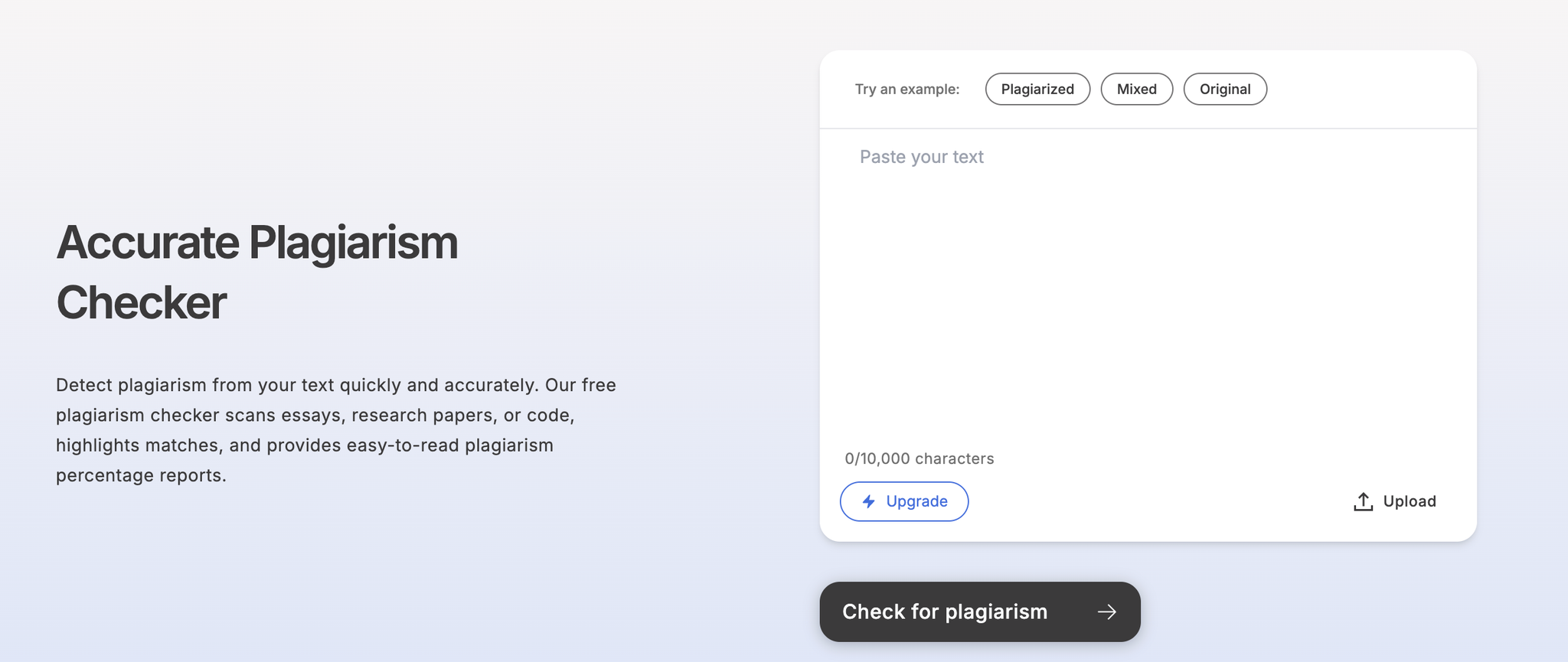
Integrated Plagiarism Support
GPTZero includes plagiarism checks alongside AI detection, allowing instructors to evaluate originality and authorship together. This saves time and reduces confusion during grading workflows.
Accurate Plagiarism Checker
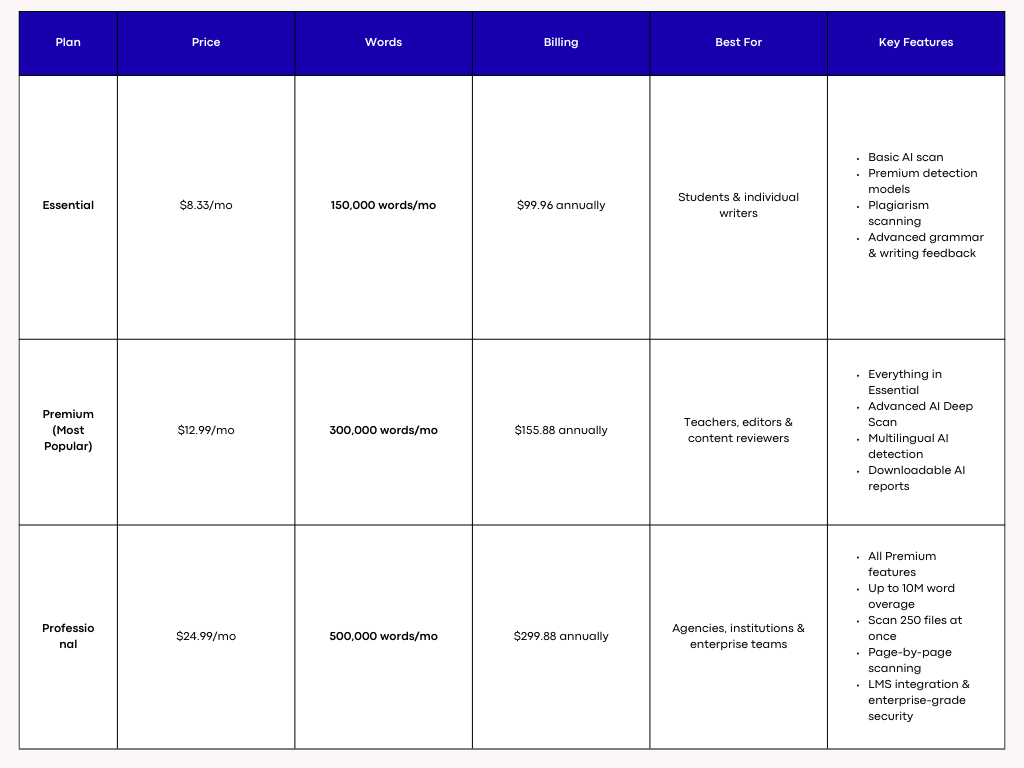
Pricing
GPTZero — Pricing
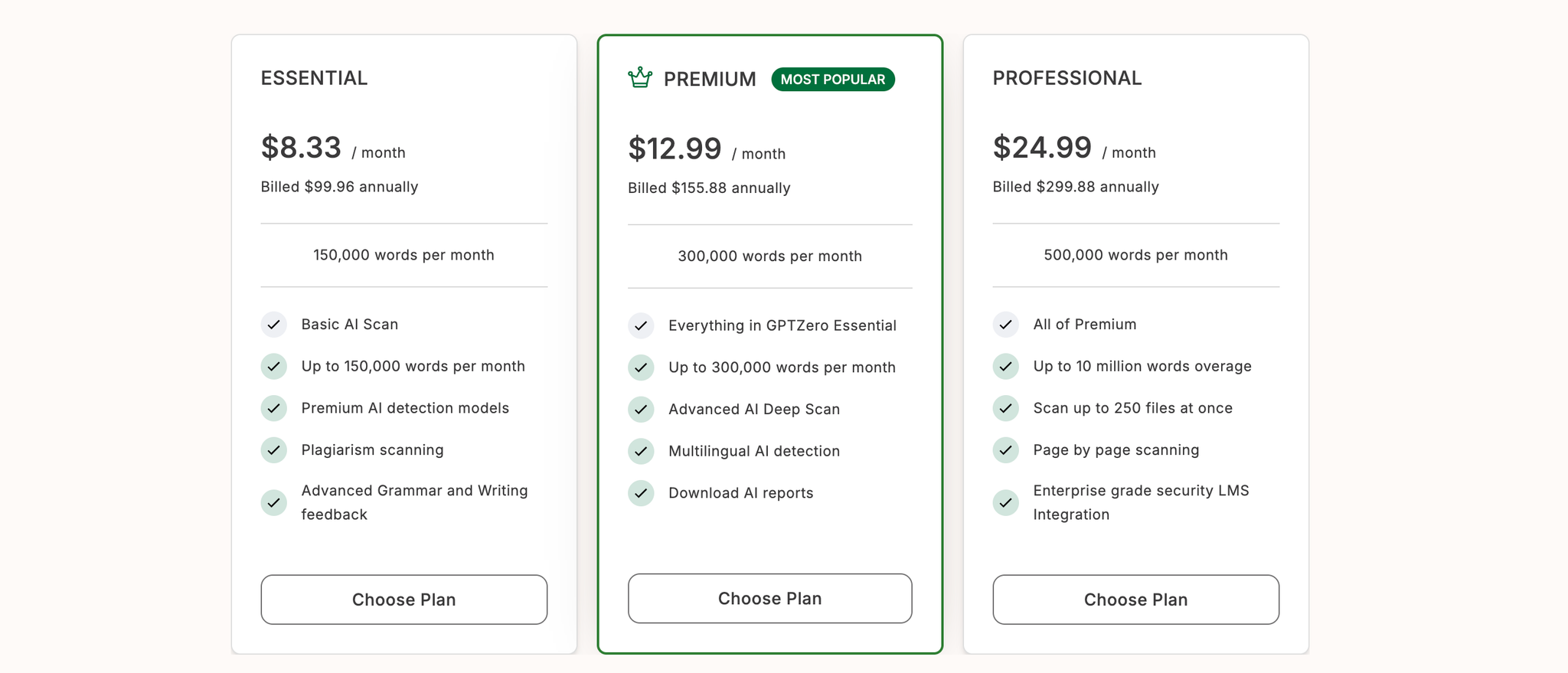
GPTZero — Pricing
5. Copyleaks — Best Enterprise-Grade Turnitin Replacement
Copyleaks is often chosen by institutions seeking a full Turnitin alternative rather than a supplement. It is designed for compliance, scalability, and policy enforcement across universities, government programs, and large educational platforms.
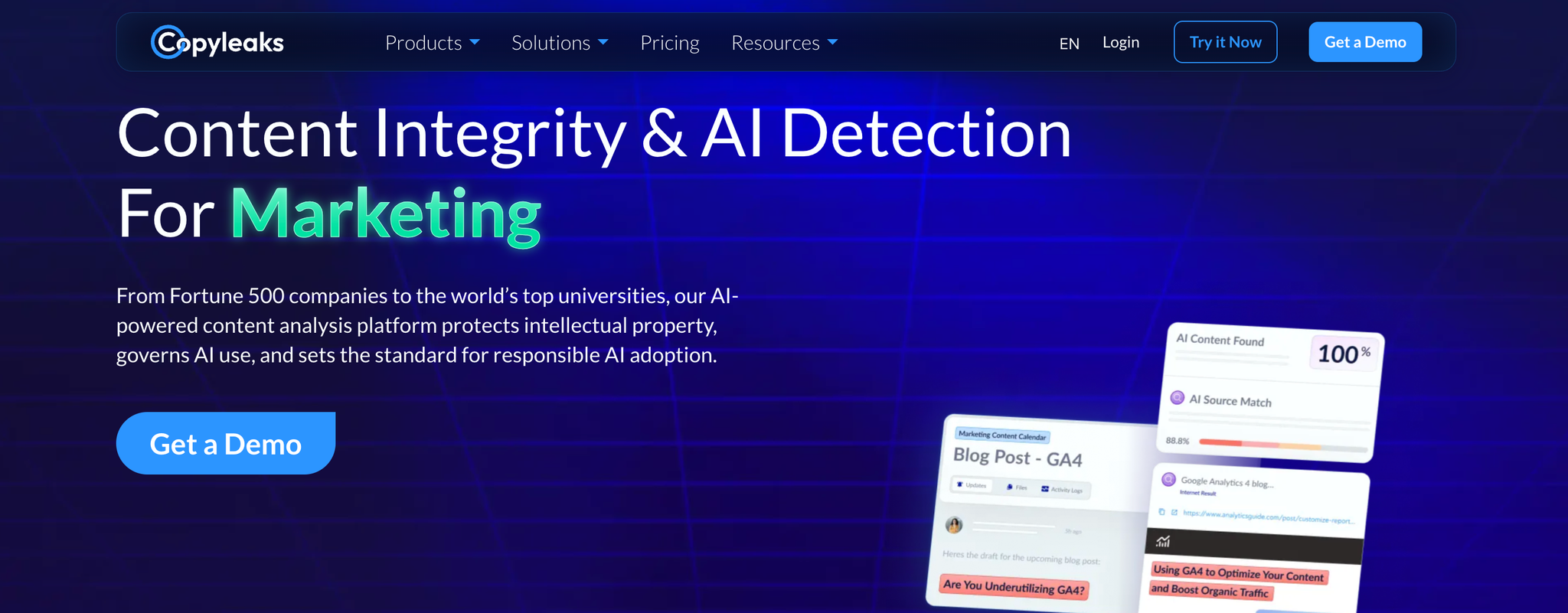
Copyleaks
Key Features
Enterprise-Level AI Detection Across Multiple Models
Copyleaks detects AI-generated content from GPT-4, Gemini, Claude, and other models using large-scale detection systems. Its approach prioritizes reducing false positives in academic submissions, making it suitable for formal assessment environments.
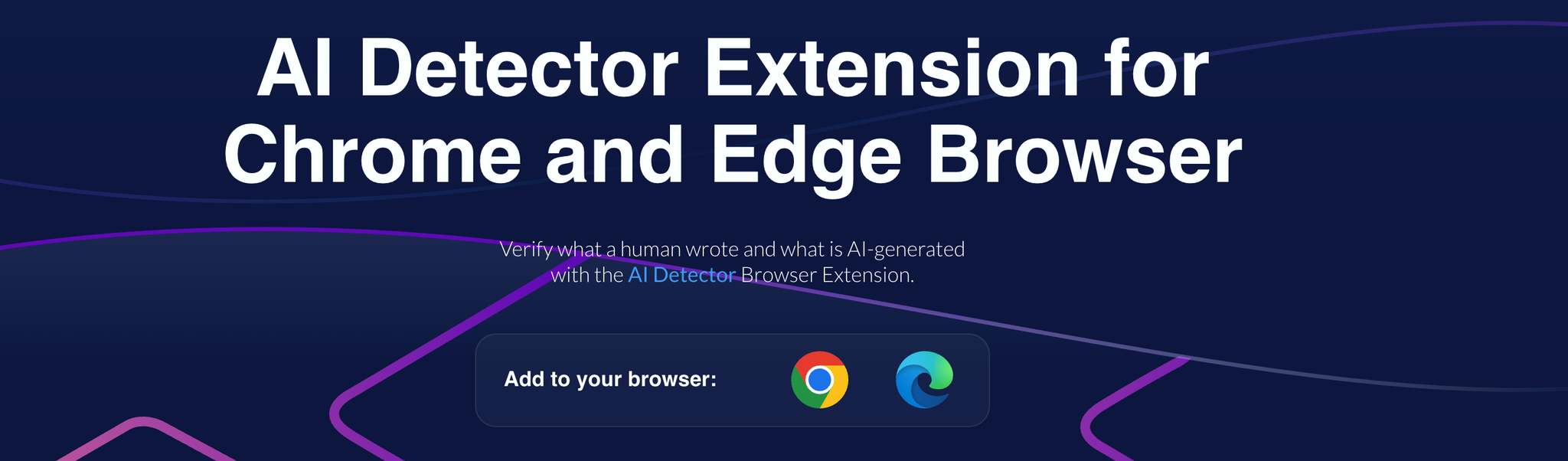
AI Detector Browser Extension
Advanced Plagiarism Detection Across Academic Sources
Copyleaks scans billions of web pages, academic journals, and private repositories. This mirrors Turnitin’s strength in plagiarism coverage and makes it suitable for research-heavy disciplines.
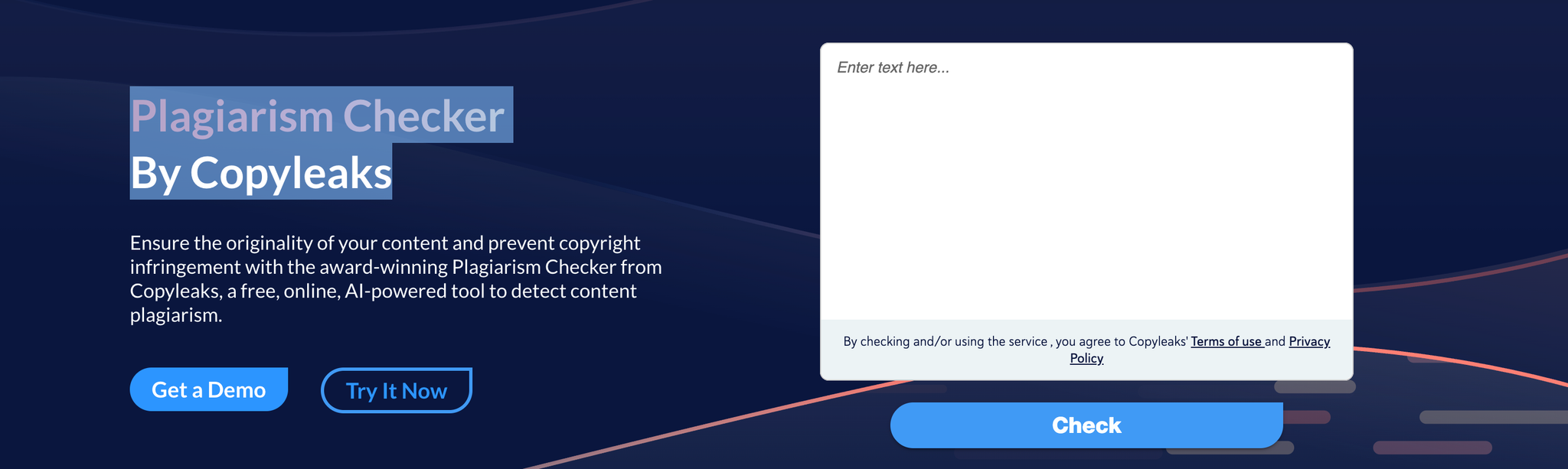
Plagiarism Checker By Copyleaks
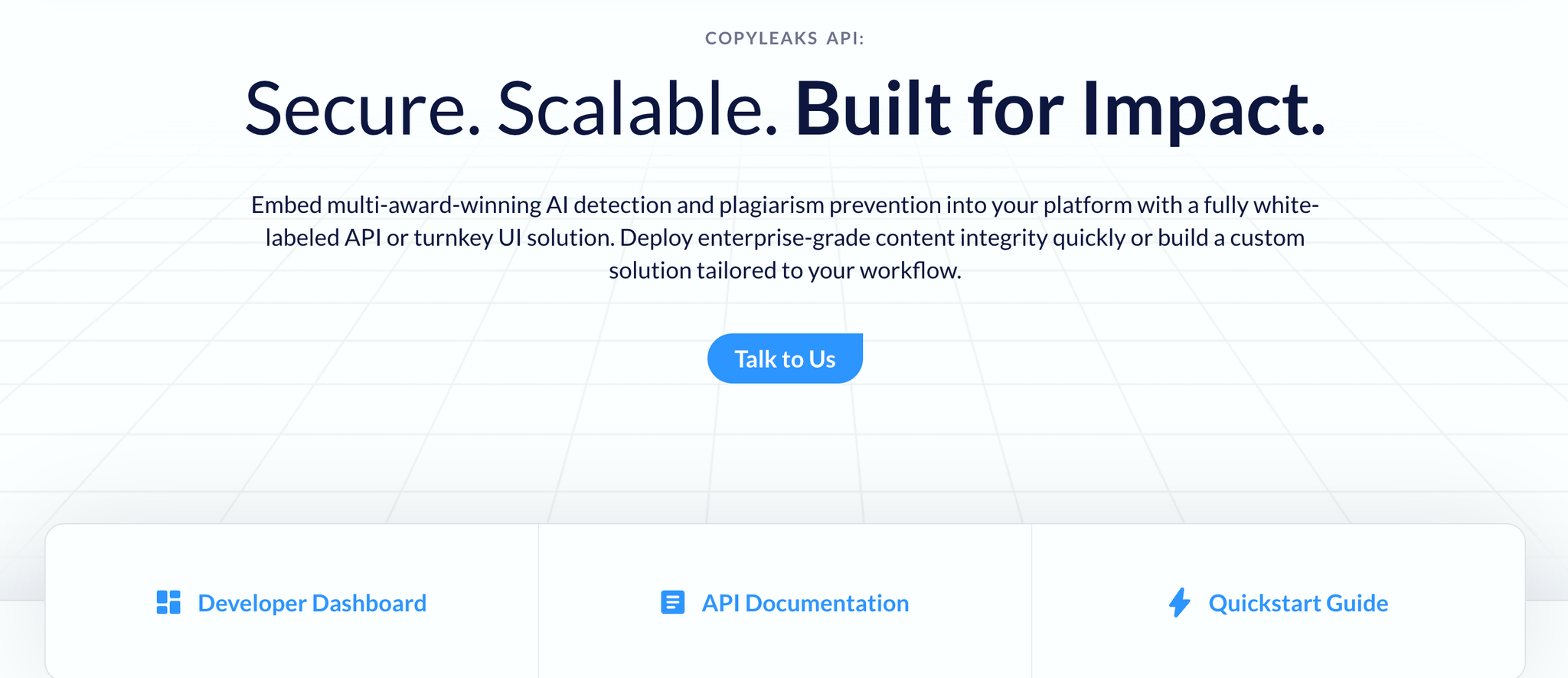
LMS and API Integrations for Institutional Use
Copyleaks integrates directly with LMS platforms like Canvas and Moodle. This allows automated checks during assignment submission, reducing manual workload for instructors and administrators.
LMS & API Integrations
Pricing
Copyleaks — Pricing
Copyleaks — Pricing
Conclusion
Choosing which AI detector is closest to Turnitin is not about finding a perfect clone. It is about understanding alignment. Turnitin’s strength lies in its structural analysis, academic dataset training, and conservative interpretation of risk. Tools that come closest are the ones that respect academic writing patterns, analyze full documents, and avoid punishing legitimate scholarly structure.
Humanize AI stands out for structural fairness and revision support. AISEO excels when educators need detection combined with plagiarism review and academic cleanup. Originality.ai and Copyleaks align best with Turnitin’s institutional and policy-driven workflows. GPTZero fills an important gap by making AI risk explainable in classroom conversations.
In modern education, AI detection should support learning, not fear. The most effective tools help educators review writing thoughtfully, guide students toward improvement, and maintain trust in assessment. When used correctly, Turnitin-aligned detectors strengthen academic integrity while respecting how students actually write in an AI-assisted world.
Frequently Asked Questions: Which AI Detector Is Closest to Turnitin?
What does it really mean when educators ask “which AI detector is closest to Turnitin”?
When educators ask which AI detector is closest to Turnitin, they are not looking for a tool that simply labels text as AI-generated. They are looking for a system that mirrors Turnitin’s academic logic. Turnitin evaluates writing conservatively, focusing on structure, predictability, and document-level patterns rather than keywords or vocabulary sophistication.
A “closest” detector is one that understands formal academic writing, avoids penalizing legitimate structure, and presents results as indicators for review rather than proof of misconduct. Tools that rely on surface-level probability scores or conversational datasets are not close to Turnitin in practice, even if their marketing claims suggest otherwise.
Does Turnitin definitively prove whether a student used AI?
No. Turnitin does not claim to provide absolute proof of AI usage. Its AI indicators are probability-based signals, designed to assist educators in reviewing work more carefully. Turnitin itself recommends that AI detection results be used as part of a broader evaluation process that includes assignment context, student writing history, and instructor judgment.
Any tool claiming 100% certainty about AI authorship is not aligned with Turnitin’s philosophy. The detectors closest to Turnitin emphasize interpretation, transparency, and review rather than final verdicts.
Why do many AI detectors falsely flag well-written academic essays?
False positives often occur because many AI detectors are trained primarily on conversational, marketing, or creative writing datasets. Academic writing naturally uses structured arguments, formal transitions, topic sentences, and consistent tone. To a poorly trained detector, this structure looks “machine-like,” even when written entirely by a human.
Turnitin reduces this problem by training on large academic corpora. Tools closest to Turnitin also account for scholarly conventions and analyze how ideas progress, not just how sentences are formed.
How is AI detection different from plagiarism detection?
Plagiarism detection evaluates where content comes from by comparing text against existing sources. AI detection evaluates how content is written, regardless of originality. A student can submit 100% original text that is still AI-generated. Conversely, a student can plagiarize human-written content without using AI at all.
Turnitin combines both approaches in its originality reports. The closest alternatives to Turnitin also integrate AI detection and plagiarism analysis into a single review workflow, allowing educators to assess authorship and originality together.
Are free AI detectors reliable for academic grading?
Free AI detectors can be useful for quick, informal checks, but they are not reliable enough for high-stakes grading or disciplinary decisions. Most free tools rely on limited datasets, lack document-level analysis, and provide minimal explanation for their scores.
Turnitin-aligned tools emphasize transparency, academic sensitivity, and full-document context. Educators should avoid using free detectors as the sole basis for academic misconduct claims, especially in higher education settings.
Why is sentence-level explanation so important for fairness?
Sentence-level explanation allows educators to understand why a piece of writing appears risky. Instead of labeling an entire document as AI-generated, Turnitin-style systems highlight patterns, clusters, or sections that warrant closer review.
This approach supports fairness in several ways:
- It reduces overgeneralization
- It enables targeted discussion with students
- It allows revision instead of punishment
Tools closest to Turnitin prioritize explanation over judgment.
Can AI detectors support revision instead of punishment?
Yes, and this is becoming increasingly important. Many modern classrooms allow limited AI use for brainstorming, outlining, or grammar assistance. The problem arises when AI-generated drafts are submitted without meaningful human input.
Turnitin itself flags risk but does not assist with correction. Several Turnitin-aligned tools now go further by helping students revise flagged sections, improve sentence variability, and restore human authorship while preserving academic meaning. This approach supports learning outcomes rather than fear-driven enforcement.
Are AI detectors fair for ESL or multilingual students?
ESL students are at higher risk of false positives because their writing may show repetitive structure, simplified syntax, or limited vocabulary. Poorly designed detectors misinterpret these patterns as AI-generated.
Turnitin-aligned tools reduce this risk by analyzing structure across the entire document and providing sentence-level explanations. Even so, educators should use AI detection cautiously with ESL students and always combine results with human review and contextual understanding.
Do AI detectors work equally well across all academic disciplines?
No. Writing style varies significantly across disciplines. Humanities essays, lab reports, legal analysis, and technical documentation all follow different conventions. A detector trained primarily on general writing may misclassify discipline-specific structure as AI-generated.
Turnitin’s strength lies in its broad academic dataset coverage. Tools closest to Turnitin either train on diverse academic writing or allow instructors to interpret results with discipline context in mind.
Can students ethically use AI and still pass AI detection?
Yes, depending on institutional policy. Many educators allow AI for idea generation, outlining, grammar correction, or language polishing. Problems arise when students submit AI-generated content as final work without personal reasoning or original contribution.
AI detectors do not punish ethical AI use by default. They flag writing that lacks human variability, critical thinking markers, or personal cognitive effort. Clear classroom policies help students understand acceptable use and reduce unnecessary conflict.
Should teachers tell students that AI detectors are being used?
Transparency is strongly recommended. Informing students that AI detection is part of the review process encourages responsible AI use and reduces anxiety. When students understand that detectors evaluate structure and authorship patterns rather than “AI words,” they are more likely to write authentically.
Turnitin itself encourages transparent communication around academic integrity tools. Open disclosure builds trust and supports ethical learning environments.
What should an instructor do if an essay is flagged as high risk?
A high-risk score should trigger review, not accusation. Best practices include:
- Reviewing highlighted sections carefully
- Comparing with the student’s previous work
- Asking the student to explain their writing process
- Allowing revision when appropriate
Many institutions treat AI detection results as a starting point for conversation, not a disciplinary conclusion.
Can AI detectors handle long documents like theses or dissertations?
Most free tools cannot. They often impose strict word limits or require text to be split into chunks, which disrupts structural analysis. Turnitin evaluates long documents in full, preserving context across chapters and sections.
Turnitin-aligned alternatives also support full-document uploads, which is essential for graduate-level education, research submissions, and technical reports.
How do batch scanning features help educators?
Batch scanning allows instructors to upload multiple assignments at once and receive individual reports automatically. This is especially useful for large classes, online programs, and institutions with heavy grading loads.
Turnitin’s batch processing is one of its core strengths. Tools closest to Turnitin replicate this capability to improve efficiency without sacrificing review depth.
Are AI detectors compliant with educational privacy laws?
Most reputable tools follow standard data protection practices, but compliance varies. Educators should verify whether student content is stored, logged, or reused for model training. Browser-based tools and education-focused platforms often provide clearer privacy assurances.
Institutions should review compliance with FERPA, GDPR, or regional data protection regulations before adopting any detection tool.
Can AI detectors replace human judgment?
No. AI detectors are decision-support tools, not decision-makers. They surface patterns and risks that deserve attention, but final judgment must always involve instructor expertise, assignment context, and student communication.
Turnitin itself emphasizes that AI indicators should never be used in isolation. Human review remains essential for fairness and academic integrity.
Are AI detectors suitable for online learning platforms?
Yes, especially enterprise-grade tools with LMS integrations. Online programs benefit from automated checks, consistent reporting, and scalable review workflows. However, even in online environments, human oversight and policy clarity remain critical.
How should schools create AI policies around detection?
Effective AI policies clearly define:
- Acceptable and unacceptable AI use
- When detection is applied
- How results are reviewed
- Student rights to explanation and revision
Policies aligned with Turnitin’s philosophy emphasize learning, transparency, and proportional response rather than punishment-first enforcement.
What is the biggest mistake educators make with AI detectors?
The biggest mistake is treating detection scores as definitive proof. AI detection works best as part of a broader academic integrity framework that includes education, communication, and revision opportunities.
When used without context, detectors undermine trust. When used thoughtfully, they strengthen instruction.
Which AI detector is closest to Turnitin overall?
There is no single answer for every classroom. The closest tool depends on teaching goals:
- Structural fairness and revision support
- Full academic workflow and cleanup
- Institutional enforcement and scale
- Classroom transparency and discussion
The best Turnitin-aligned detector is the one that supports fair assessment, clear explanation, and learning-centered integrity, not fear-driven enforcement.
About the Author

Dilyar Buzan is the founder and CEO of AISEO.ai, an AI-native SEO platform. With a background in AI from the University of Amsterdam, Dilyar specializes in Generative Engine Optimization (GEO), Answer Engine Optimization (AEO), and AI-driven content strategy, helping brands earn visibility across ChatGPT, Perplexity, Google AI Overviews, and traditional search. He's also co-founder of Sceneform.ai, an AI content platform for brands and creators.